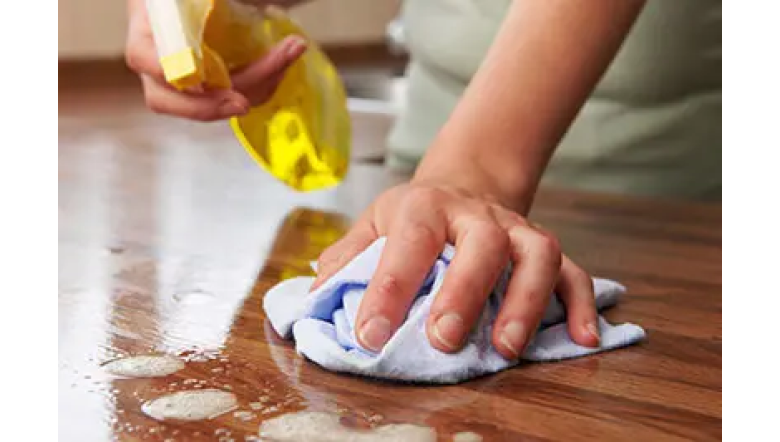
How to care for natural wood furniture. ⭐️ Tips for caring for a wooden surface. ⏩ Read on the Twin Sann blog.
Wooden furniture – is not just an interior item, but the warmth of naturalness, the splendor of textures, and, of course, an investment in durability and style. Its popularity extends through time, remaining in demand in the world of design and comfort. From ancient times to the present day, wood brings coziness, atmosphere and unique character to our homes.
Why is wooden furniture so valued? The answer is simple – it is natural beauty, durability and environmental friendliness. Such furniture has the ability to create harmony with the surrounding space, giving the interior a unique charm.
However, in order for wooden furniture to please with its appearance and maintain its functionality for a long time, special care is required. In this article, we will talk about the importance of proper care for wooden furniture and share valuable tips on preserving its original appearance for many years to come.
Wooden furniture is not only a functional element of the interior, but also a work of art that adds warmth and style to our home. However, in order to preserve its original appearance and long service life, it is necessary to properly care for the wooden surface.
Wood is a living material that is sensitive to external factors. Over time, it can undergo changes such as fading, loss of shine, scratches and discoloration. Special care helps preserve its beauty and protect it from external influences.
Basic care rules.
1. Dust and dirt - regular cleaning.
To remove dust, use a soft cloth or microfiber.
If necessary, wipe the surface with a damp cloth, but avoid excessive moisture.
2. Avoid overheating and hypothermia.
Place wooden furniture away from direct sources of heat and cold, such as heaters and air conditioners.
Prevent prolonged exposure to sunlight by using curtains or blinds.
3. Protection from moisture.
Avoid direct contact with water and liquids. If liquid does get on the surface, wipe it thoroughly.
Use coasters to avoid hot dish marks.
4. Preventing scratches.
Use feet or protectors under furniture legs to prevent scratches when moving.
Regularly check the condition of the legs and install new protective elements if the old ones are worn.
5. Take care of varnished surfaces.
For varnished furniture, use a soft cloth and special cleaning agents recommended by the manufacturer.
If necessary, periodically polish with special waxes or polishes.
6. Regularly check for nicks and damage.
Inspect your furniture regularly, paying attention to scratches, chips or other damage.
If you find any defects, contact a professional.
Taking care of wooden furniture is the key to its durability and preserving its natural beauty. Proper care not only extends its service life, but also emphasizes its elegance in your interior. By following simple care rules, you will preserve the splendor of the wooden surface and create a cozy space filled with the unique charm of natural material.
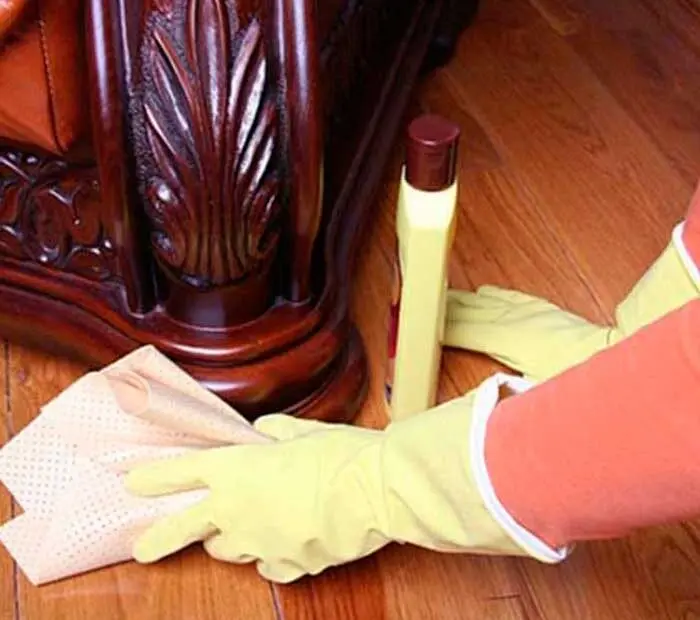
Wooden furniture brings warmth and style to your home, but sometimes it is exposed to moisture, which can lead to the appearance of mold. Do not delay the fight against this unpleasant phenomenon. Instead of changing furniture, follow our instructions for removing mold from wooden surfaces.
Step 1: preparation. Before starting the process, make sure that the furniture is in a well-ventilated area. Take it outside or open the windows to provide fresh air.
Step 2: protective measures. Wear rubber or latex gloves to prevent contact with mold and chemicals.
Step 3: Remove excess mold. Use a soft brush or damp sponge to gently remove the visible layer of mold. Be careful not to damage the wood surface.
Step 4: Prepare a cleaning solution. In 10 liters of water, mix 1 part vinegar with 1 part water. Vinegar has antiseptic properties.and effectively fights mold. You can add a tablespoon of hydrogen peroxide.
Step 5: Cleaning. Using a sponge or soft cloth, generously treat the areas of furniture with mold using the prepared solution. Carry out the procedure carefully, not missing places where mold could have penetrated the wood.
Step 6: Neutralizing the odor. If an unpleasant odor remains, wipe the treated surfaces with a clean damp cloth and let the furniture dry.
Step 7: Prevention. After removing the mold, provide additional ventilation in the room to prevent its reappearance.
By following these simple instructions, you will not only rid your wooden furniture of mold, but also give it a second life, preserving its natural appeal.
Superglue can be surprisingly powerful, but when it gets on wooden furniture, it causes concern. Don't despair! By following these instructions, you can quickly and effectively get rid of the glue and return your wooden surface to its original appearance.
Surface preparation. Carefully remove all excess superglue using a metal spatula or knife. Avoid applying too much pressure to avoid damaging the wood surface.
Test on an inconspicuous area. Before using chemicals, test on a small, inconspicuous area of the wood to make sure that the method you choose will not damage the finish.
Removing superglue. Soak a cotton ball or cloth in acetone. Gently remove the stain. Wipe the surface with a dry cloth.
Applying vegetable oil. Apply a small amount of oil to the superglue stain. Let the oil soak into the glue for a few minutes. Carefully remove the remaining glue with a soft cloth.
Using specialized products. Use available glue removers based on acetone or organic solvents. Follow the instructions on the packaging to avoid damaging the wood surface.
Finishing touches. Wipe the cleaned area with a damp cloth to remove any glue remover residue. Dry the surface with a dry cloth.
Additional tips: After removing the superglue, apply a polish or wax to restore the shine and protect the surface.
By following these simple steps, you can quickly and safely get rid of unwanted superglue on wooden furniture without damaging it.
Sometimes unwanted paint stains can appear on wooden furniture. But don't despair! Use the instructions to successfully remove paint from a wooden surface.
Assess the situation. Determine the type of paint on the wood (water-based, oil-based, acrylic) and the thickness of the layer. Decide which method of paint removal you will use.
Preparatory measures. Place the furniture in a well-ventilated area or outdoors. Wear gloves and a mask to protect your hands and breathing.
Using a chemical composition - stripper. If there is oil or varnish paint, use a chemical stripper. Apply the composition to the surface using a brush and give it time to act according to the instructions.
Mechanical removal. For acrylic or water-based paint, use a mechanical method such as a peel or sandpaper. Try not to damage the wood surface by wiping the paint with gentle movements.
Removing paint residue. A damp sponge or cloth can help remove paint residue, especially in smaller areas. Rinse the sponge in water periodically.
Cleaning and protecting. After removing the paint, rinse the surface with a clean, damp cloth. Apply wax or polish to restore the shine and protect the surface.
By following these simple steps, you can successfully get rid of paint on wooden furniture, preserving its original appearance and natural beauty.
Sometimes silicone can get on the wooden surface, forming unwanted marks. Follow these instructions to safely and effectively remove silicone and restore your wood surface to its natural beauty.
Preparatory measures. Protect your hands by wearing gloves to prevent direct contact with the silicone. Place the furniture in a well-ventilated area.
Mechanical removal. Use a sharp blade to carefully remove visible parts of the silicone. Be careful not to damage the wood surface.
Silicone solvent Use a readily available silicone solvent if mechanical removal of the contamination has not been successful. Allow the solvent to work according to the instructions.
Using vinegar. Prepare a solution of equal parts vinegar and water. Dip a cloth in the solution and wipe the treated area thoroughly.
Final treatment. Wipe the treated surface with a clean cloth dampened with warm water. Make sure all chemicals are completely removed.
Soft sanding. If there is residue, use fine-grit sandpaper to carefully remove the silicone. Work carefully to avoid damaging the wood.
Cleaning and drying. Wipe the surface with a dry, clean cloth. Allow the wood to dry completely.
By following these instructions, you can successfully remove silicone from a wooden surface while preserving its natural beauty and integrity.